Clinical Techniques
Clinical Conversation No. 28
The Technique Drift Over Time
By Dorian Vale · 5 min read
Published for Phlebotomy Students and Future Clinicians
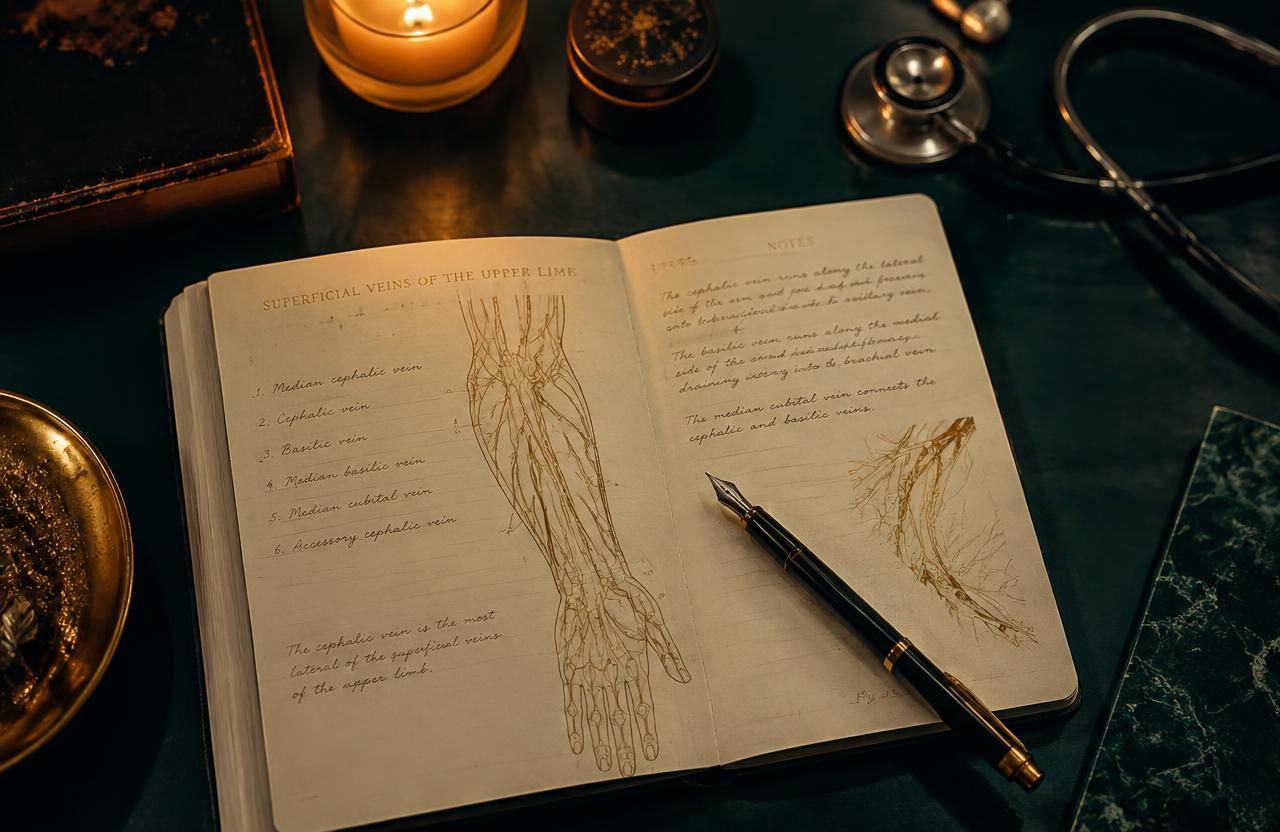
Good Habits Don't Last By Accident
Day 28 of the 30-Day Phlebotomy Mindset Series
The Draw You Used to Nail Every Time
Think back to the version of yourself who first learned to anchor, angle, and advance with real intention. Every step had weight, and you checked your technique because you didn't trust it yet.
Now picture yourself today, months or a year into practice. The steps still happen, but they happen faster and looser, almost automatic. That automatic feeling isn't always mastery. Sometimes it's drift.
Skills Don't Break. They Slip.
Technique drift rarely announces itself. No single draw goes wrong enough to make you stop and ask what changed. It shows up in inches, not in failures — a slightly shallower anchor, a slightly rushed angle check, a slightly looser grip on the tube.
None of those inches feel dangerous on their own. But stack enough of them together and the technique you once executed with precision becomes looser and less reliable than you realize. The student who drifts doesn't feel like they're getting worse. They feel like they're getting efficient.
Why Technique Drift Happens
Drift isn't laziness, and it isn't carelessness either. It's what happens naturally when a skill becomes familiar enough that your brain stops treating it as something that requires full attention.
Early in training, every step demands conscious effort because nothing is automatic yet. Once repetition builds confidence, your brain starts looking for shortcuts — skipping a re-check here, trusting a feel there, letting muscle memory take over from moments that used to get your full focus.
That shift feels like progress, and in some ways it is. But shortcuts your brain takes without your permission are exactly where technique quietly starts to erode.
The Small Shortcuts That Add Up
Drift usually hides inside habits that once mattered and now feel optional. Watch for these patterns in your own routine:
- Skipping the pre-draw pause. You used to take a breath and confirm your setup before inserting. Now you move straight to the needle.
- Softening the anchor early. Your thumb used to stay active through flash. Now it relaxes the moment you see color in the hub.
- Rushing vein selection. You used to palpate more than once. Now you commit to the first vein that feels close enough.
- Losing angle awareness. You used to check your angle against the skin surface. Now you estimate it by feel alone.
Each shortcut saves a second or two. None of them feel like a problem in isolation. Together, they quietly rewrite your baseline.
How to Catch Drift Before It Becomes Your New Normal
The clinicians who stay sharp aren't the ones who never develop habits. They're the ones who periodically compare their current technique against the version they were taught, not the version they've settled into.
That comparison only works if you build in a checkpoint. Waiting for a missed draw to notice drift means you've already been compensating for weeks without knowing it.
A simple way to catch drift early is to occasionally slow a single draw down to training speed. Narrate each step the way you did as a student, and notice where your current habit no longer matches what you were taught.
The Fundamentals Reset
When you notice drift, the fix isn't to start over. It's to deliberately rebuild the steps you've let go quiet.
- Reconfirm your anchor pressure before every insertion, even on easy veins.
- Re-palpate twice, not once, until it feels automatic again.
- Say your angle out loud for a few draws until the check becomes conscious again.
- Hold the anchor through flash, every time, without exception.
- Slow down one draw a day on purpose, just to recalibrate your baseline.
None of these steps take extra time once they're rebuilt into muscle memory. They just require you to notice that the shortcut crept in — and choose, on purpose, to close the gap.
Consistency Turns Skills Into Confidence
Good habits don't last by accident, and neither does good technique. The fundamentals you were taught on day one aren't training wheels you outgrow. They're the standard you maintain.
Every clinician drifts a little over time. The difference between a clinician who stays sharp and one who slowly becomes unreliable isn't talent. It's whether they ever stop to check.
Reflection
Before your next shift, sit with these questions honestly.
Which step in your routine have you started doing from memory instead of attention?
When was the last time you slowed a draw down on purpose, just to recheck your form?
If a new student watched you work today, would they see the technique you were taught, or the shortcuts you've picked up since?
Save This Article
Technique drift is quiet, which is exactly why it matters. For more real-world phlebotomy lessons that explain why students miss, hesitate, over-adjust, and recover, follow Dorian Vale and explore the Vale Clinical field guide for phlebotomy students and future clinicians.
Educational disclaimer: This article is supplemental educational information and does not replace accredited training, current professional standards, institutional procedures, or supervised clinical instruction. Read the full disclaimer.
Related Articles
Clinical Techniques
The Anchor Mistake Students Don’t Notice Until It’s Too Late
How many times have you said those two words this month? The vein looked perfect, your angle felt right, and the moment the bevel touched it, the vein slid sideways like it had…
Read Article →
Clinical Techniques
The Wrist Freeze That Causes Students to Miss Veins
Your instructor demonstrates on the practice arm with the needle held so loosely it looks like it might slip out of her fingers. Her shoulders are down, her elbow hangs easy,…
Read Article →Clinical Techniques
The Vein Didn’t Disappear. Your Anchor Changed.
Most students believe disappearing veins are just bad luck — some patients have them, some don’t, and there’s not much you can do about it. Then they watch it happen enough…
Read Article →